Understanding the Long Short Ratio in Crypto: A Key Market Indicator.
Article Structure
The long short ratio in crypto is a crucial metric that traders use to assess market sentiment. It reveals the proportion of long positions versus short positions, indicating whether the market leans bullish or bearish. In the volatile crypto market, understanding this ratio can be a deciding factor between profit and loss. By analyzing the long short ratio, traders can combine it with other trading tools like moving averages and the RSI indicator to create a comprehensive market analysis. This article will explain the long short ratio and offer strategies to enhance trading decisions.
What is the Long Short Ratio in Cryptocurrency?
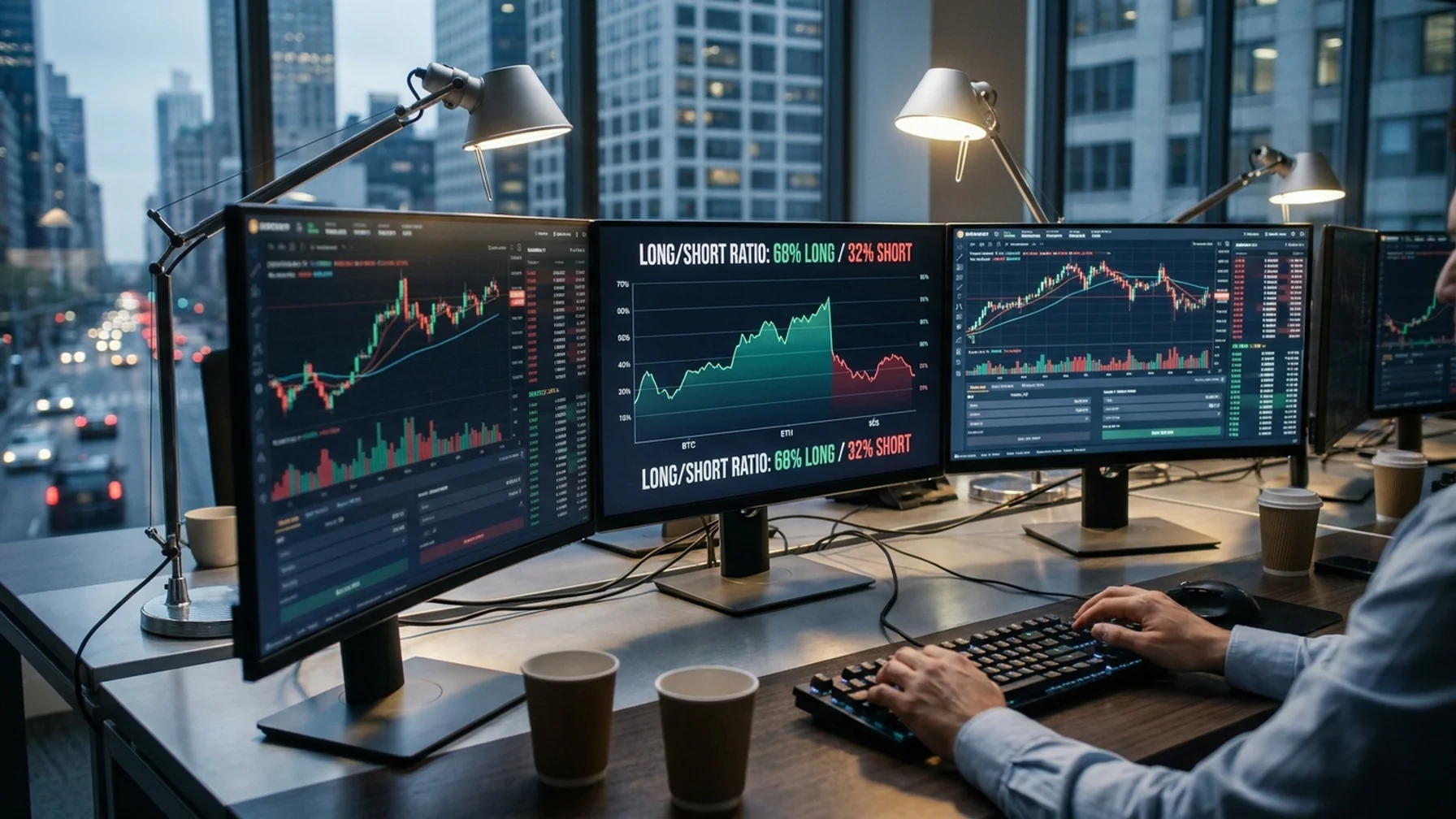
The long short ratio measures the number of long positions relative to short positions in the market. A higher ratio suggests bullish sentiment, indicating that more traders expect prices to rise. Conversely, a lower ratio points to a bearish sentiment. Understanding this ratio is essential for anticipating market movements and potential reversals. For example, during the 2021 bull run, the long short ratio increased, reflecting optimistic market sentiment. However, when regulatory concerns rose in 2022, the ratio dropped, signaling a shift to bearish expectations.
Exploring the Strategy: Using the Long Short Ratio
Applying the long short ratio wisely can significantly enhance trading strategies. Consider the following structured steps:
- Regular Monitoring: Frequently check the ratio to stay informed about market sentiment changes, especially during volatile periods.
- Combine with Other Indicators: Use the ratio with RSI, moving averages, and trading volumes for a comprehensive analysis.
- Analyze Historical Data: Examine past behavior of the ratio to anticipate future movements.
- Consider External Factors: Factor in macroeconomic indicators and news events that could impact the market.
- Practical Application: Use the ratio to inform entry and exit points for trades.
To further illustrate the strategy, the table below outlines key components and their potential impact when using the long short ratio:
Key Components and Their Impact
| Component | Impact |
|---|---|
| Regular Monitoring | Provides timely insights during volatile periods |
| Combination with Indicators | Enhances analysis and helps identify trend reversals |
| Historical Data Analysis | Offers lessons from past market conditions |
| External Factors Consideration | Accounts for macroeconomic shifts and news events |
| Practical Application | Informs strategic entry and exit trade points |
By following these steps and considering the outlined components, traders can leverage the long short ratio to enhance their trading strategies and make more informed decisions.
Reading Crypto Charts for Better Insights
Reading crypto charts effectively is essential for interpreting the long short ratio. Charts offer visual representations of market trends, helping traders identify patterns and potential entry or exit points. Key elements to consider include candlestick patterns, support and resistance levels, and moving averages.
- Candlestick Patterns: These patterns reveal market sentiment and potential reversals.
- Support and Resistance: Levels where prices tend to stop and reverse, aiding in anticipating changes in the ratio.
- Moving Averages: Used to smooth out price data and identify trends, signaling shifts in the long short ratio.
Combining these elements can help traders understand how the long short ratio might influence future price movements.
Integrating the RSI Indicator with the Ratio
The Relative Strength Index (RSI) is another tool used alongside the long short ratio. The RSI measures the speed and change of price movements, indicating whether an asset is overbought or oversold. For example, when Bitcoin's RSI hit extreme levels in early 2021, it coincided with a peak in the long short ratio. A high RSI might suggest a potential decrease in the long short ratio as traders prepare for a market correction.
Analyzing Trading Volume and Its Impact
Trading volume analysis plays a pivotal role in understanding the long short ratio. High trading volumes can confirm trends indicated by the ratio, while low volumes might suggest caution. During major announcements, such as Elon Musk's comments on Bitcoin in 2021, trading volumes spiked, confirming the long short ratio's predictive power. Volume peaks often coincide with major market moves, providing context to the observed long short ratio.
Using On-Chain Metrics and Whale Alerts
On-chain metrics provide insight into cryptocurrency's underlying activity. For instance, an increase in transactions might correlate with a rising long short ratio. Whale alerts, which track significant transactions by large holders, can signal potential market shifts, influencing the ratio. In 2022, a significant BTC transaction by a known whale coincided with a sharp increase in the long short ratio, indicating a bullish sentiment among large holders.
Funding Rates and Open Interest
Funding rates and open interest are essential for understanding the long short ratio. Funding rates indicate the cost of holding long or short positions, affecting traders' willingness to maintain them. Open interest, on the other hand, shows the total number of outstanding contracts, providing context to the ratio. In periods of high open interest, such as the second quarter of 2021, the long short ratio provided clearer signals of market sentiment shifts.
Market Cap, BTC Dominance, and Their Influence
Market capitalization and Bitcoin dominance are macro indicators that influence the long short ratio. A rising market cap often correlates with a bullish sentiment, reflected in a higher long short ratio. Bitcoin dominance affects the overall crypto market sentiment, impacting the ratio. For instance, in late 2020, as Bitcoin dominance increased, the long short ratio mirrored this rise, indicating strong market confidence in Bitcoin.
Macro Indicators Impacting the Long Short Ratio
Macro indicators like the DXY index, oil prices, and gold prices can influence the long short ratio. For instance, a strong dollar (DXY) might lead to a lower ratio as crypto prices face downward pressure. Similarly, rising oil or gold prices can impact trader sentiment, reflected in the ratio. A real-world example occurred in early 2022, when geopolitical tensions led to rising oil prices and a notable shift in the long short ratio.
Avoiding Common Mistakes in Ratio Analysis
Misinterpreting the long short ratio can lead to costly mistakes. Traders often overlook the influence of external factors like news events or regulatory changes. For example, in 2021, many traders misjudged the impact of China's crypto crackdown on the long short ratio, leading to unexpected losses. To avoid such pitfalls, it's crucial to consider all market influences and not rely solely on the ratio. Cross-referencing with other indicators and staying informed on global events can mitigate these risks.
Conclusion: A Comprehensive Market Tool
The long short ratio in crypto is a powerful tool when used alongside other indicators. By understanding how to read crypto charts, analyze trading volumes, and integrate macro indicators, traders can gain a comprehensive view of market dynamics. Whether you're a seasoned trader or a newcomer, leveraging the long short ratio can enhance your trading strategy and help you navigate the complex landscape of cryptocurrency.